Introduction to Industrial Pipework Pressure Testing
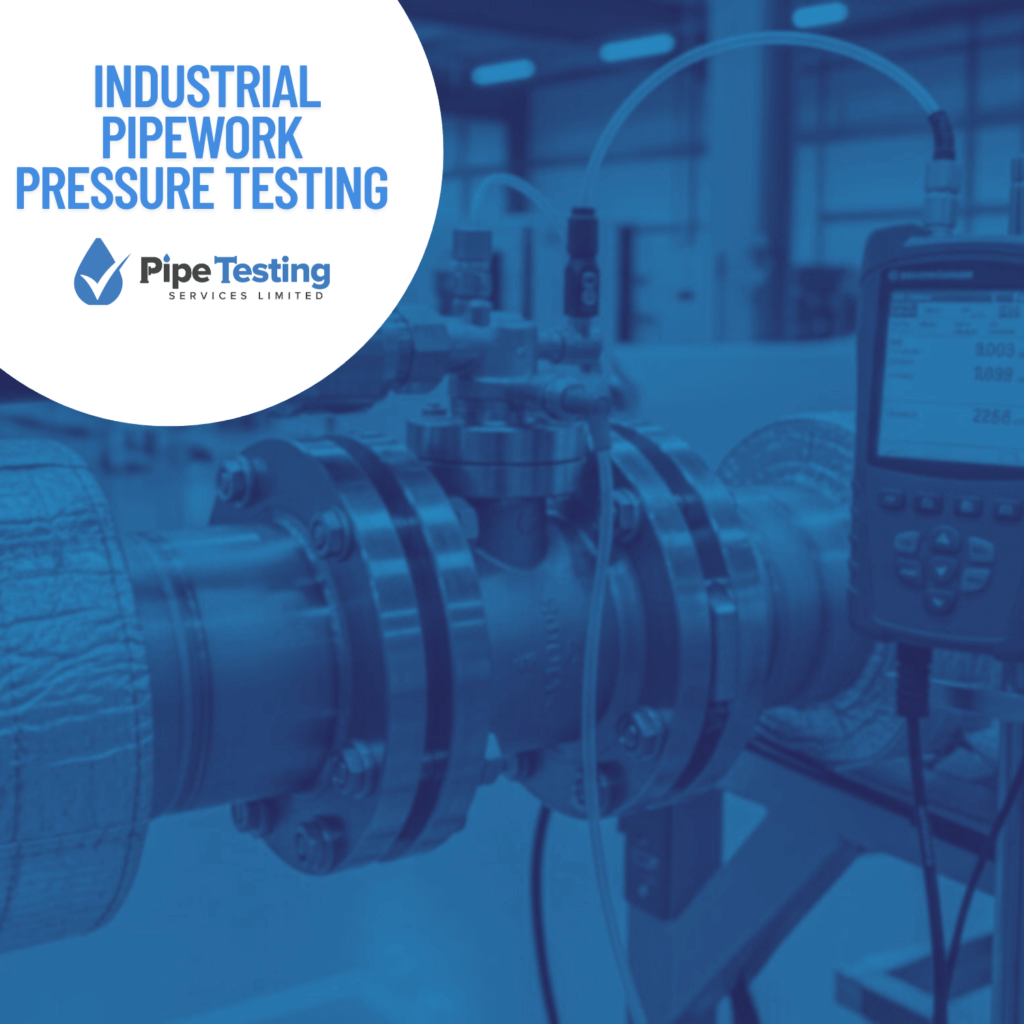
While pressure testing is often associated with new water mains on construction sites, a more demanding and highly specialised application exists within the UK’s industrial, manufacturing, and commercial sectors. Testing industrial pipework—whether it’s high-pressure stainless steel process lines, commercial heating circuits, or systems governed by strict safety regulations—requires a level of expertise that goes beyond standard procedures.
At Pipe Testing Services (PTS), we have the specialist knowledge and equipment to handle these high-specification tests. This guide explains the unique considerations for industrial pipework pressure testing.
How Industrial Testing Differs from Water Mains Testing
The fundamental principle of verifying a pipeline’s integrity remains the same, but the stakes and specifications in an industrial setting are often far higher. Key differences include:
Higher Test Pressures
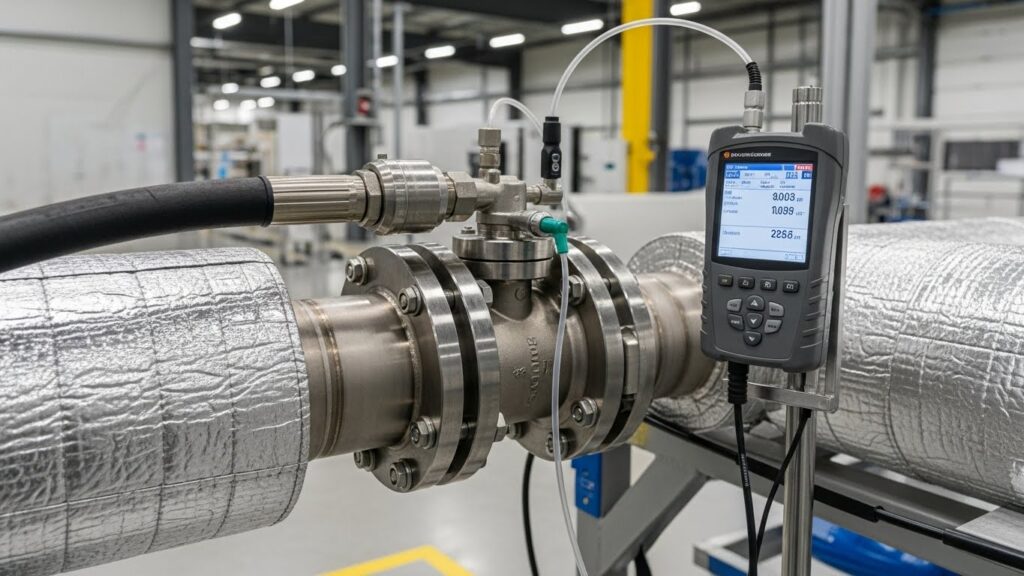
Industrial systems, such as those in manufacturing or energy centres, can operate at vastly higher pressures than water mains. We have the capability to test systems to pressures well over 100 bar, meeting the demanding specifications for assets like stainless steel pipework carrying water at 90 bar.
Diverse Materials
Beyond the PE pipes used for mains, industrial systems often use stainless steel, carbon steel, or copper. Each material has unique properties that must be considered during the testing process.
Different Regulations
These systems are frequently governed by the Pressure Systems Safety Regulations 2000 (PSSR), which are enforced by the Health and Safety Executive (HSE). Compliance is a legal requirement for safety, not just an industry standard.
Common Applications for Industrial Pressure Testing
Our specialist testing services are crucial for a range of commercial and industrial clients.
Manufacturing and Process Pipework
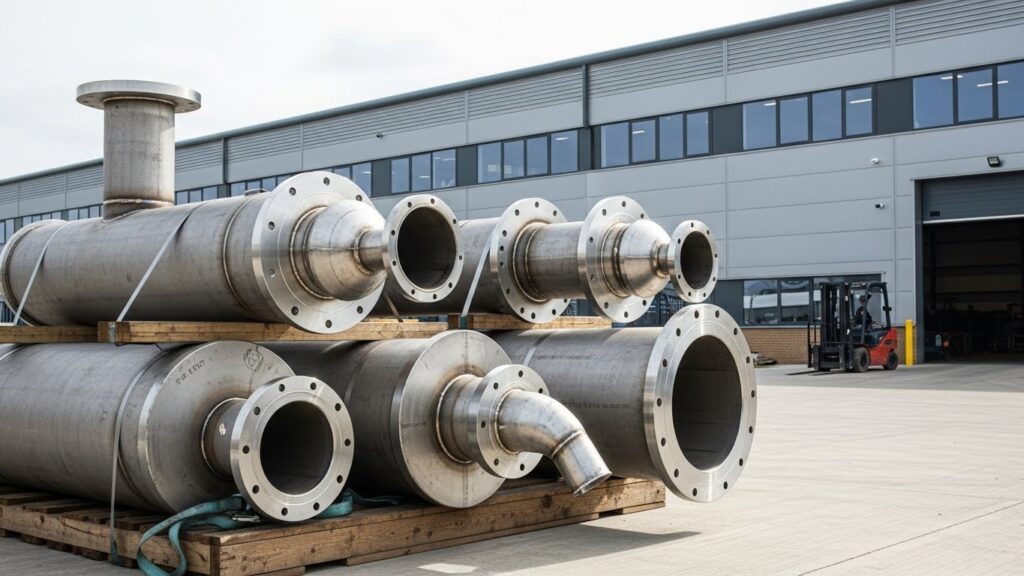
For companies manufacturing products from polyurethanes to chemicals and food, we test process pipework to ensure there are no leaks that could cause product contamination, environmental hazards, or costly downtime. This includes testing newly fabricated pipe spools and vessels, a process often preceded by our Pre-Installation Pipe Cleaning service to ensure internal cleanliness.
Energy Centres and Commercial Heating (LTHW)
We assist facilities managers in verifying the integrity of complex heating and cooling circuits. This is a critical step before recommissioning a system or as part of a planned maintenance programme. It often includes the Live System Valve Testing of existing valves to ensure they can be relied upon for future isolation.
High-Specification and Bespoke Fabrications
We can test unique, newly fabricated components, from small 3″ vessels to custom pipe spools, at our own facility or on your site. We provide the detailed certification needed to verify their strength and integrity before they are installed into a critical system.
Understanding the Pressure Systems Safety Regulations (PSSR)
For many of our industrial clients, the primary driver for pressure testing is to ensure compliance with PSSR. These regulations apply to any system containing a “relevant fluid” (such as steam, compressed air, or certain gases) under pressure.
PSSR requires that these systems are properly designed, installed, and maintained, and that they undergo a periodic “written scheme of examination” by a competent person. A pressure test is often a key component of this examination, providing the documented proof of integrity that is required to operate the system legally and safely. As a CHAS and SafeContractor approved company, our commitment to safety aligns perfectly with these regulatory demands.
The PTS Advantage: A Complete Industrial Service
Our expertise is not just in performing the test but in providing a complete, documented solution.
- Tailored Test Plans: We work with you to develop a specific test procedure that meets your pressure requirements, industry standards, and regulatory obligations like PSSR.
- Versatile Methods: We are experts in both Hydrostatic Pressure Testing (using water) and pneumatic testing (using air or nitrogen) and will select the safest and most appropriate method for your system.
- Certified Technicians: Our technicians hold EUSR registrations and are highly trained in the specific safety protocols required for working in complex industrial environments.
- Comprehensive Certification: We provide the detailed, traceable certification you need to satisfy your quality assurance scheme, insurance provider, or a regulatory body like the HSE.
Choosing the Right Partner for Your Industrial Systems
Do not risk the safety, compliance, and operational integrity of your industrial pipework. Choosing a specialist contractor like Pipe Testing Services means you get:
- Expertise in High-Pressure Systems: We have the equipment and knowledge to handle tests far beyond the range of standard water main testing.
- A Deep Understanding of Industrial Compliance: We understand the requirements of PSSR and the importance of detailed, traceable documentation for your quality and safety audits.
- Peace of Mind: You get a reliable, professional service that ensures the safety of your personnel and the integrity of your critical assets.
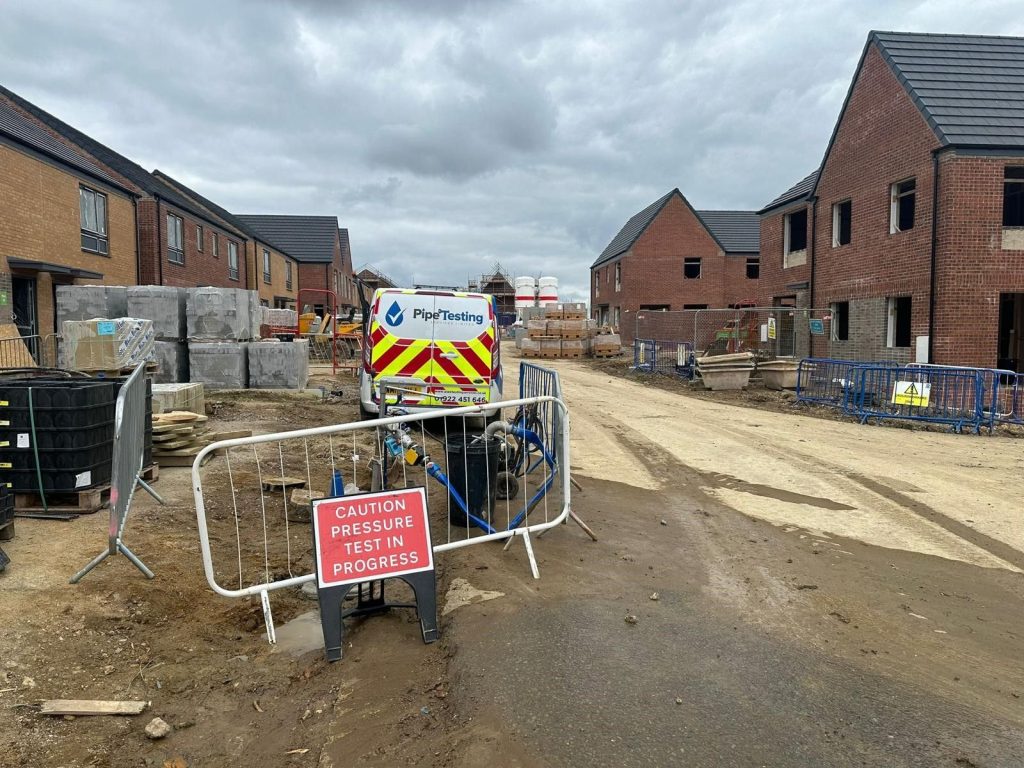
If you are a manufacturing engineer, quality manager, or facilities manager and require expert pressure testing for your process pipework, contact the specialist team at Pipe Testing Services today.
To discuss your requirements, schedule a consultation, or request a quote, please contact us at:
- Phone: 01922 451646
- Email: enquiries@pipetestingservices.co.uk
- Address: Unit 27 Birchbrook Industrial Estate, Shenstone, Lichfield, Staffs, WS14 0DJ
Industrial Pressure Testing FAQs
My system contains chemicals. How is it tested?
For safety, we typically flush the system and test it using water or an inert gas like nitrogen. This verifies the structural integrity of the pipework without the risks associated with pressurising hazardous materials.
Do you provide the "written scheme of examination" for PSSR?
The written scheme is typically drawn up by a specialist inspection body or a qualified engineer. Our role is to act as the competent contractor to execute the pressure test that is specified within that scheme, providing the certified results.
Can you test the pipework and dry it afterwards?
Yes. For systems where residual moisture is a problem (such as those being prepared for gas service), we can perform a hydrostatic test and then follow it with a drying procedure, often using high-velocity air, to return the pipe to service.
Can you test small, individual components?
Absolutely. We can test individual items like small pressure vessels or fabricated pipe spools, either by coming to your facility or by having them delivered to our workshop.